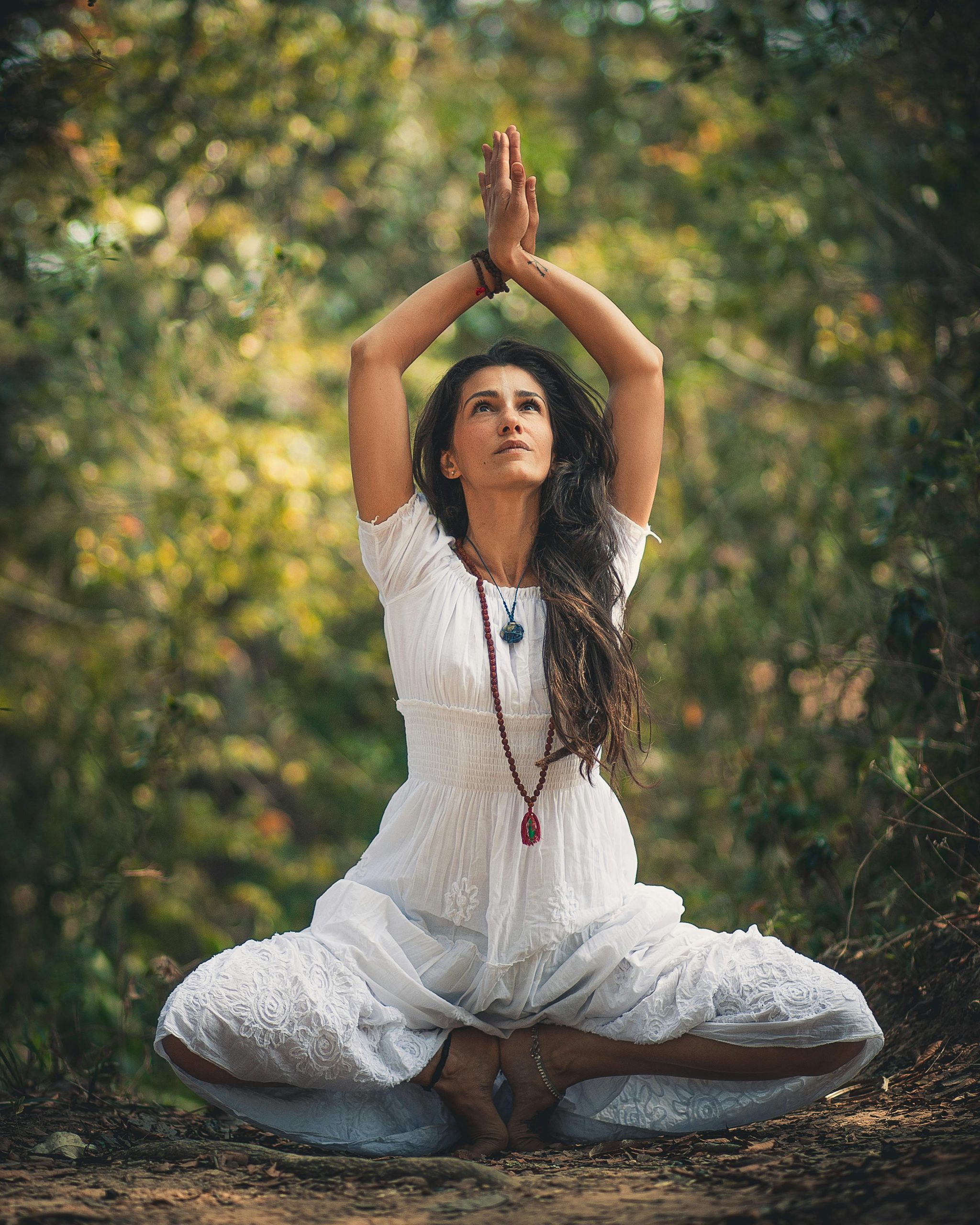
YOGA
Journey of the self, through the self, to the self.
When you’re new to yoga, it might seem daunting and challenging to figure out precisely where and how to begin. That’s why we’ve crafted our Yoga for Beginners guide with you in mind — providing all the tips, guidelines, and recommendations necessary to embark on a fulfilling yoga journey successfully.
In the Yoga Sutras, a foundational text of classical yoga attributed to the sage Patanjali, yoga is defined as “Yogash chitta vritti nirodha,” which translates to “Yoga is the cessation of the fluctuations of the mind.” According to this ancient text, yoga is a systematic discipline aimed at quieting the mind and achieving a state of inner tranquility and liberation (Samadhi) through practices such as asana (postures), pranayama (breath control), dharana (concentration), dhyana (meditation), and ethical principles (yamas and niyamas). Yoga is ultimately seen as a means to attain self-realization and union with the divine or ultimate reality (Samadhi).
Benefits of Yoga
- Improves Flexibility: Regular practice of yoga postures (asanas) can increase flexibility and range of motion in the body.
- Strengthens Muscles: Many yoga poses require you to support the weight of your own body, which helps build muscle strength.
- Enhances Balance and Coordination: Yoga poses often challenge balance and coordination, leading to improved stability over time.
- Promotes Relaxation: The combination of controlled breathing and mindful movement in yoga can help reduce stress and promote relaxation.
- Boosts Mental Clarity and Focus: Yoga encourages mindfulness and present-moment awareness, which can sharpen mental clarity and improve focus.
- Increases Energy Levels: Regular yoga practice can enhance overall energy levels and reduce feelings of fatigue.
- Improves Posture: Yoga helps align the spine and encourages proper posture, which can alleviate discomfort and reduce the risk of injury.
- Supports Cardiovascular Health: Some forms of yoga, such as vinyasa or power yoga, can provide a cardiovascular workout, improving heart health and circulation.
- Aids in Weight Management: Yoga can contribute to weight loss and weight management by increasing metabolism and promoting mindful eating habits.
- Enhances Emotional Well-being: Yoga practice has been linked to reduced symptoms of anxiety, depression, and other mood disorders, promoting emotional balance and well-being.

ASTANGA YOGA
Ashtanga Yoga is a traditional style of yoga that follows a specific sequence of postures in a flowing, dynamic manner. “Ashtanga” translates to “eight limbs” in Sanskrit, referring to the eight-fold path outlined by Patanjali in the Yoga Sutras. However, when people refer to Ashtanga Yoga, they often specifically mean the system of yoga codified by Sri K. Pattabhi Jois.
The primary focus of Ashtanga Yoga is synchronizing breath with movement (vinyasa) as practitioners progress through a set series of poses. There are several series in Ashtanga Yoga, with the Primary Series (Yoga Chikitsa) being the starting point for most practitioners. As students become proficient in the Primary Series, they may progress to more advanced series, such as the Intermediate (Nadi Shodhana) and Advanced (Sthira Bhaga) Series.
Ashtanga Yoga is known for its physically demanding nature, requiring strength, flexibility, and endurance. It emphasizes a disciplined practice that involves dedication, consistency, and self-study. The practice is typically done in a Mysore-style format, where students practice at their own pace while receiving individualized instruction and adjustments from a teacher.
The eight limbs of Ashtanga Yoga, as per Patanjali’s Yoga Sutras, include:
- Yama (ethical principles)
- Niyama (self-discipline)
- Asana (physical postures)
- Pranayama (breath control)
- Pratyahara (withdrawal of the senses)
- Dharana (concentration)
- Dhyana (meditation)
- Samadhi (state of profound inner peace)
HATHA YOGA
Hatha Yoga is one of the most traditional and widely practiced forms of yoga, originating in ancient India. The term “Hatha” is a combination of two Sanskrit words: “Ha” meaning sun and “Tha” meaning moon, symbolizing the balance between opposing forces. Hatha Yoga aims to unite and harmonize the body, mind, and spirit through physical postures (asanas), breath control (pranayama), and relaxation techniques.
Key aspects of Hatha Yoga include:
Physical Postures (Asanas): Hatha Yoga incorporates a wide range of physical poses that are designed to stretch, strengthen, and balance the body. These poses help improve flexibility, enhance muscle tone, and promote overall physical well-being.
Breath Control (Pranayama): Pranayama techniques involve controlling the breath to regulate the flow of energy (prana) in the body. Hatha Yoga emphasizes various breathing exercises to calm the mind, increase vitality, and deepen the connection between body and mind.
Relaxation and Meditation: Hatha Yoga includes practices for relaxation and meditation to promote mental clarity, reduce stress, and cultivate inner peace. These practices often involve techniques such as guided visualization, mindfulness, and deep relaxation (Yoga Nidra).
Alignment and Awareness: Hatha Yoga emphasizes proper alignment and mindful awareness during practice. Practitioners are encouraged to pay attention to their breath, sensations, and thoughts, fostering a deeper connection to the present moment.
Balancing Energy Channels (Nadis): Hatha Yoga seeks to balance the flow of energy through the body’s energy channels, known as nadis. Through specific postures and breathing techniques, practitioners aim to stimulate and clear these energy pathways, promoting physical and emotional well-being.
Hatha Yoga is often considered a gentle and accessible form of yoga, suitable for practitioners of all ages and fitness levels. It provides a foundation for other styles of yoga and serves as a holistic approach to health and self-discovery. While Hatha Yoga classes may vary in intensity and focus, they typically incorporate a blend of asanas, pranayama, and relaxation practices to create a balanced and harmonious experience for body and mind.
IYENGAR YOGA
Iyengar Yoga is a style of yoga developed by B.K.S. Iyengar, one of the most influential yoga teachers of the 20th century. This approach to yoga is characterized by its emphasis on precision, alignment, and the use of props to support and enhance the practice. Iyengar Yoga is known for its meticulous attention to detail and its focus on correct body alignment in each posture.
Key features of Iyengar Yoga include:
Alignment: Iyengar Yoga places a strong emphasis on proper alignment of the body in each pose. Teachers often provide detailed instructions on how to position the body to ensure optimal alignment of the bones, muscles, and joints. This attention to alignment helps prevent injuries and allows practitioners to experience the full benefits of each posture.
Use of Props: Props such as blocks, straps, blankets, and bolsters are commonly used in Iyengar Yoga to help students achieve correct alignment and deepen their practice. Props provide support, stability, and accessibility, making the practice accessible to students of all levels and abilities.
Sequencing: Iyengar Yoga classes typically follow a structured sequence of poses designed to gradually build strength, flexibility, and awareness. Classes may begin with gentle warm-up poses and progress to more challenging asanas, with a focus on developing a balanced practice.
Hold and Refinement: In Iyengar Yoga, poses are often held for longer durations to allow for a deeper exploration and refinement of each posture. This prolonged holding helps students develop strength, stability, and concentration, as well as cultivate a greater sense of mindfulness and introspection.
Breath Awareness: While Iyengar Yoga places a primary emphasis on alignment, it also integrates breath awareness (pranayama) into the practice. Students are encouraged to synchronize their breath with movement and maintain a steady, even breath throughout the practice to enhance focus and relaxation.
Adaptability: Iyengar Yoga is highly adaptable and can be modified to suit individual needs and abilities. Teachers are trained to offer variations and adjustments to accommodate students with injuries, limitations, or special conditions, making the practice inclusive and accessible to all.
Overall, Iyengar Yoga offers a systematic and methodical approach to yoga practice that emphasizes precision, alignment, and mindful awareness. It is suitable for practitioners of all levels, from beginners to advanced students, and can be particularly beneficial for those seeking to develop strength, flexibility, and a deeper understanding of yoga.
KUNDALINI YOGA
Kundalini Yoga is a dynamic and powerful form of yoga that focuses on awakening the Kundalini energy, often depicted as a coiled serpent at the base of the spine. This style of yoga incorporates a wide range of practices, including physical postures (asanas), breathing techniques (pranayama), chanting (mantra), meditation, and deep relaxation. Kundalini Yoga aims to awaken and harness the dormant Kundalini energy, which is believed to reside at the base of the spine, and facilitate its upward movement through the energy centers (chakras) along the spine, leading to spiritual awakening and self-realization.
Key aspects of Kundalini Yoga include:
Kriyas: Kundalini Yoga classes typically consist of structured sequences of exercises called kriyas, which are designed to stimulate and balance the flow of energy in the body and awaken the Kundalini energy. Kriyas may involve dynamic movements, static postures, breathwork, chanting, and meditation, often performed in specific sequences for a set duration.
Breathwork (Pranayama): Kundalini Yoga incorporates various breathing techniques to regulate the breath and activate the flow of prana (life force energy) in the body. Breathwork practices such as Breath of Fire (rapid, rhythmic breathing) and Alternate Nostril Breathing are commonly used to energize the body, clear the mind, and balance the nervous system.
Mantra and Chanting: Mantra chanting is an integral part of Kundalini Yoga practice. Students chant sacred sounds, syllables, or phrases (mantras) to focus the mind, purify the energy channels, and elevate consciousness. Common mantras include “Sat Nam” (truth is my identity) and “Ong Namo Guru Dev Namo” (I bow to the divine wisdom within).
Meditation: Kundalini Yoga includes various meditation techniques to calm the mind, expand awareness, and connect with the higher self. Meditation practices may involve focused attention, visualization, mantra repetition, or silent awareness, aiming to cultivate inner peace, clarity, and spiritual insight.
Deep Relaxation: Kundalini Yoga incorporates periods of deep relaxation (Savasana) to integrate the effects of the practice and promote physical, mental, and emotional rejuvenation. Students may practice relaxation techniques such as Yoga Nidra or guided relaxation to release tension, reduce stress, and enhance overall well-being.
Spiritual Awakening: Kundalini Yoga is often described as a path to spiritual awakening and self-realization. By awakening the Kundalini energy and balancing the chakras, practitioners may experience profound shifts in consciousness, expanded awareness, and a deeper connection to the divine or universal consciousness.
Overall, Kundalini Yoga offers a transformative and holistic approach to yoga practice, combining physical movement, breathwork, mantra, meditation, and deep relaxation to awaken the inherent potential for spiritual growth and self-discovery. It is suitable for practitioners of all levels, regardless of age, fitness, or experience, and can be practiced both as a form of physical exercise and as a spiritual path towards inner awakening and enlightenment.